Calories on the Cracker Barrel menu vary widely, from light sides and salads at roughly 100 to 300 calories to large dinner plates and desserts that can reach roughly 800 to 1,200 calories or more. Breakfast plates usually fall in the middle, often around 400 to 900 calories depending on eggs, meat, potatoes, and bread. All figures here are approximate, since preparation, portion size, and location change the totals. For exact numbers, check the restaurant’s current nutrition information before you order.
If you are checking the calories Cracker Barrel menu before a visit, you probably want a practical answer, not a lecture. This independent guide gives approximate ranges for breakfast, lunch, dinner, sides, and desserts, explains why totals vary so much, and shows how to build a lighter plate without giving up the country style meal you came for. This site is not affiliated with Cracker Barrel, and all calorie figures here are estimates for planning only.
Country cooking is generous by design. Butter, gravy, fried coatings, biscuits, and large portions all add energy, and that is part of the appeal for many diners. The good news is that the same menu also offers fruit, vegetables, grilled meats, salads, and smaller sides, so you can shape a meal to fit your day. Knowing the rough ranges in advance makes that choice much easier.
Why Calorie Counts Vary So Much
Three factors drive most of the variation: portion size, cooking method, and extras. A fried chicken plate has more calories than a grilled chicken plate of the same size, because the coating and oil add energy. A biscuit with butter and gravy has more calories than plain toast, and a plate with two meats and two fried sides has more calories than a plate with one meat and fruit.
Sauces and toppings matter too. Gravy, cheese, butter, dressings, and sweet glazes can add roughly 100 to 300 calories to a plate, depending on the amount served. Drinks are another hidden source: sweet tea, soda, juice, and flavored coffee drinks can add 100 to 250 calories, while water, unsweetened tea, and black coffee add almost none.
Location and kitchen practice also play a role. One cook may serve a slightly larger scoop of potatoes, another may use a little more butter, and seasonal items can change from visit to visit. That is why official nutrition guides give ranges or standard values, and why this guide uses ranges rather than single exact numbers. Treat the figures below as planning estimates, and confirm current nutrition information with the restaurant when accuracy matters for health reasons.
Calories Cracker Barrel Menu: Breakfast Ranges
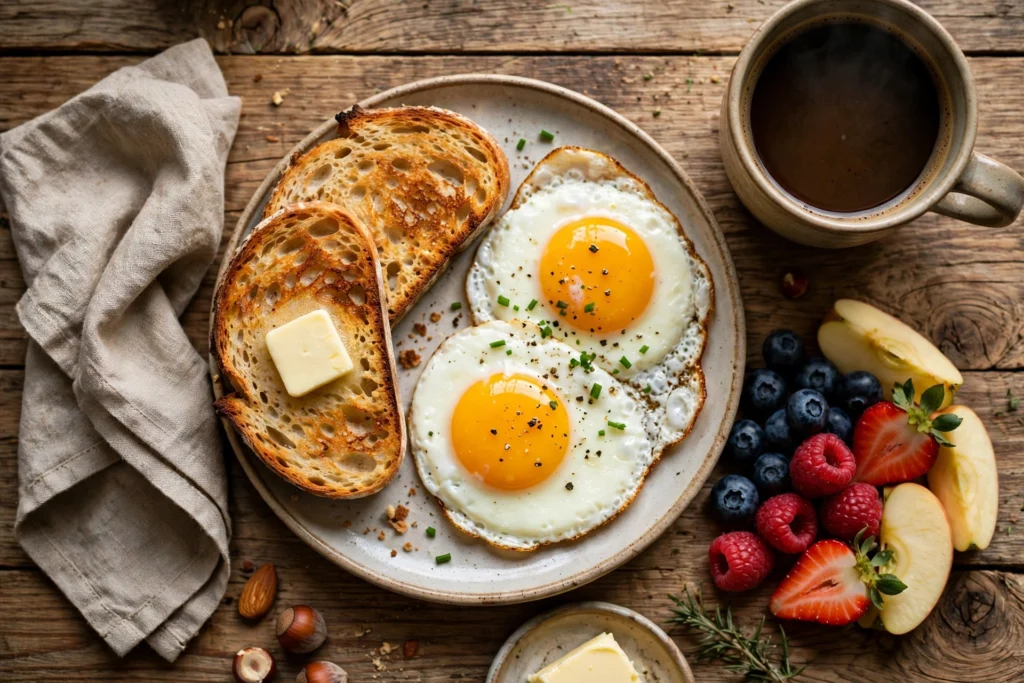
Breakfast is where many visitors start, and the range is wide. A simple plate of eggs, toast, and fruit often lands around 300 to 500 calories, which suits a light morning well. Add bacon or sausage and hash browns, and the same breakfast often rises to roughly 600 to 900 calories. A large combo plate with pancakes, multiple meats, eggs, and fried potatoes can reach roughly 900 to 1,200 calories or more.
Pancakes deserve special attention. A short stack on its own may be around 300 to 500 calories, while a full stack with butter, syrup, and bacon can climb past 800 calories. Syrup alone can add 100 to 200 calories, depending on how much you pour, so sharing pancakes or ordering a short stack is an easy way to enjoy them in a smaller portion.
Omelets vary with fillings. A vegetable and cheese omelet with fruit may be around 400 to 600 calories, while a meat loaded omelet with hash browns and biscuits may be around 700 to 1,000 calories. Egg whites, when available, and vegetable fillings help keep an omelet lighter, while extra cheese, sausage, and fried sides push it higher.
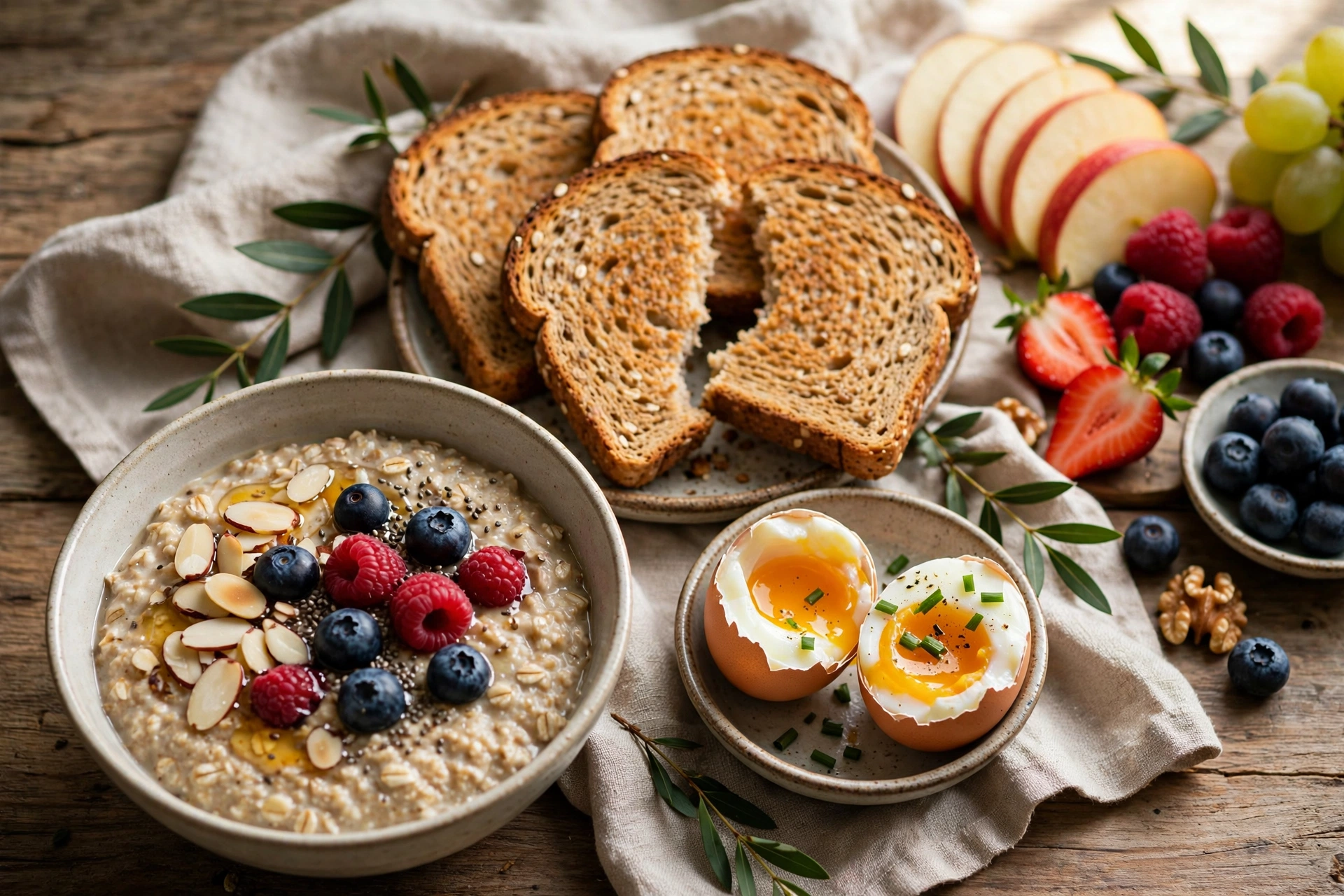
For a lighter breakfast, choose eggs or an egg white omelet, fruit, and toast, and ask for grilled rather than fried sides when possible. Coffee with a little milk, or unsweetened tea, keeps drink calories low. These swaps can save several hundred calories without changing the relaxed country breakfast feel.
Lunch Calories: Sandwiches, Salads, and Plates
Lunch plates often sit between breakfast and dinner in size. A grilled chicken sandwich with a vegetable side may be around 500 to 700 calories, while a fried sandwich with fries or fried sides may be around 800 to 1,100 calories. The bread, coating, cheese, and sauce all contribute, so a grilled option with a lighter side is usually the lower calorie path.
Salads can be light or heavy, depending on toppings and dressing. A garden salad with grilled chicken and a light dressing may be around 300 to 500 calories, while a salad loaded with fried chicken, cheese, bacon, and creamy dressing can reach 800 calories or more. Ask for dressing on the side, and choose grilled protein, to keep a salad in the lighter range.
Soups and vegetable plates are useful lunch options. A vegetable plate with several non fried vegetables may be around 300 to 600 calories, depending on butter and portion size. Soup ranges vary widely by type, with vegetable based soups usually lower than creamy or meat heavy soups. Pair a soup or salad with fruit for a balanced lunch that leaves room for dinner.
Dinner Calories: Classic Plates and Comfort Food
Dinner is usually the highest calorie meal on the menu, because portions are larger and comfort dishes are richer. A grilled chicken or grilled fish plate with green beans and carrots may be around 500 to 750 calories. A fried chicken plate with mashed potatoes, gravy, and a biscuit may be around 900 to 1,300 calories, depending on portion and extras.
Meatloaf, country fried steak, roast beef, and similar comfort plates often fall around 800 to 1,200 calories with sides, especially when served with gravy, buttered vegetables, and bread. These dishes are satisfying and popular, and they suit a hungry evening, but they are best enjoyed as an occasional treat rather than a daily habit if you are watching calories.
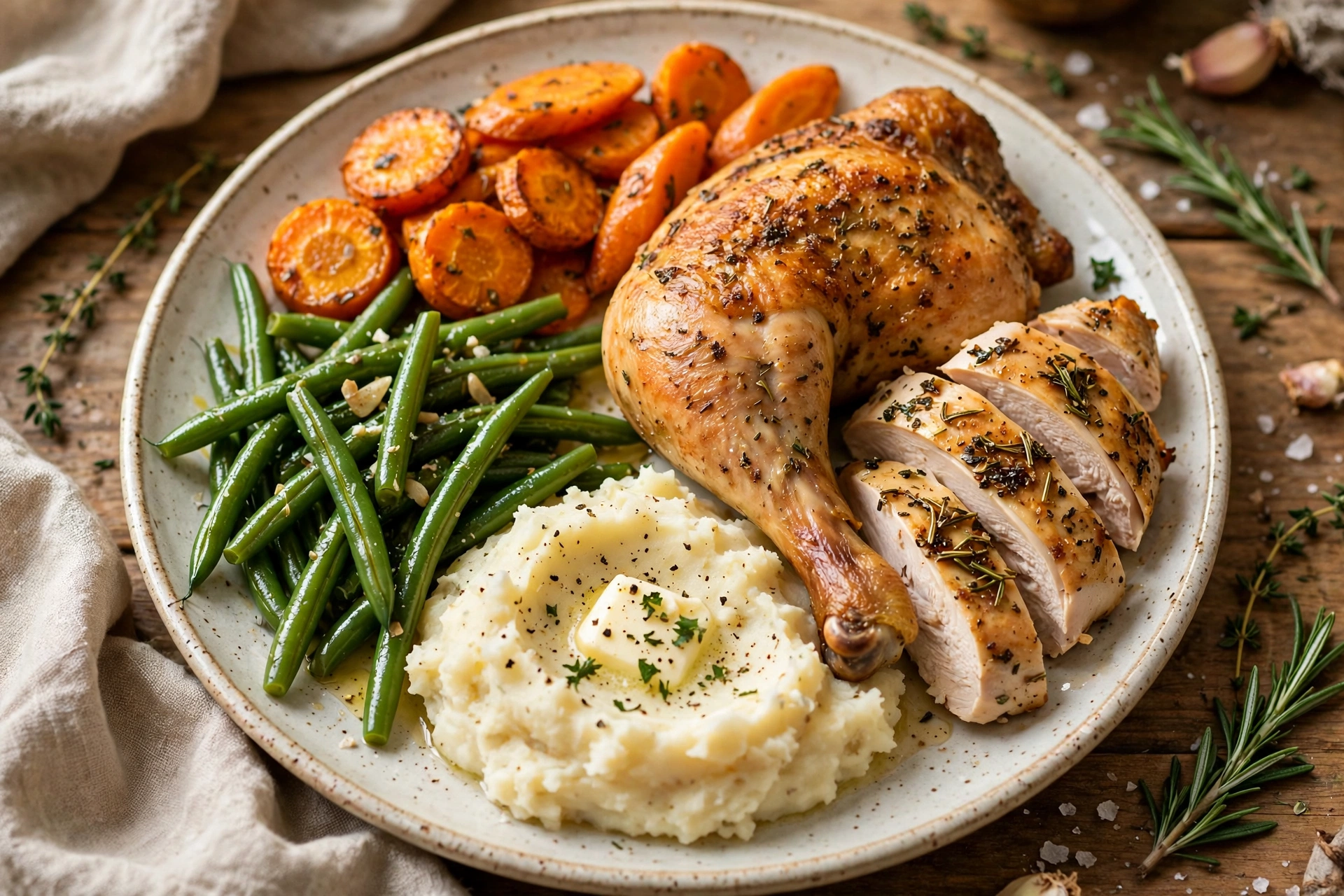
Sides can change a dinner total by hundreds of calories. Steamed or lightly buttered vegetables, salad, and fruit are usually around 50 to 200 calories per side. Fried sides, macaroni and cheese, hash brown casserole, and buttered mashed potatoes with gravy are often around 250 to 450 calories per side. Choosing one richer side and one lighter side is a simple way to enjoy comfort food in balance.
For related dinner planning, see our guide to the Cracker Barrel dinner menu with prices, which covers evening plates and portion ideas. Morning visitors may also want our breakfast at Cracker Barrel guide, and families can compare shared options in our Cracker Barrel family meals overview.
Sides, Drinks, and Hidden Calories
Sides are the easiest place to save calories without noticing a loss in enjoyment. Swap fried potatoes for green beans, carrots, salad, or fruit, and you may save 150 to 300 calories on one plate. Ask for butter or gravy on the side, so you control the amount, and choose dressings that are light or served separately.
Drinks need the same attention. Water is calorie free, unsweetened tea and black coffee are very low, and milk adds roughly 100 to 150 calories per glass. Sweet tea, lemonade, soda, and juice can add 120 to 250 calories per serving, and refills multiply that total. If you love a sweet drink, ordering a small size, or alternating with water, keeps the pleasure while limiting the extra energy.
Bread also adds up. A single biscuit may be around 150 to 250 calories before butter or gravy, and cornbread or rolls are in a similar range. Enjoying one piece of bread slowly, rather than two or three, is a painless saving. If bread is a favorite part of the meal, keep it, and save calories elsewhere on the plate instead.
Desserts: Approximate Calories and Smarter Shares
Desserts are the sweet finish many visitors look forward to, and they are also the most calorie dense part of the menu. A slice of fruit cobbler with ice cream may be around 600 to 900 calories, while a slice of cake or pie on its own may be around 400 to 700 calories, depending on size and toppings. Ice cream alone adds roughly 150 to 300 calories per serving.
Sharing is the simplest dessert strategy. Splitting a cobbler or cake between two people halves the calories while keeping the full experience, and ordering fruit or a smaller sweet item can be a lighter close to a large meal. If you have already enjoyed a rich dinner, a shared dessert, or a coffee with a small sweet side, often feels just right.
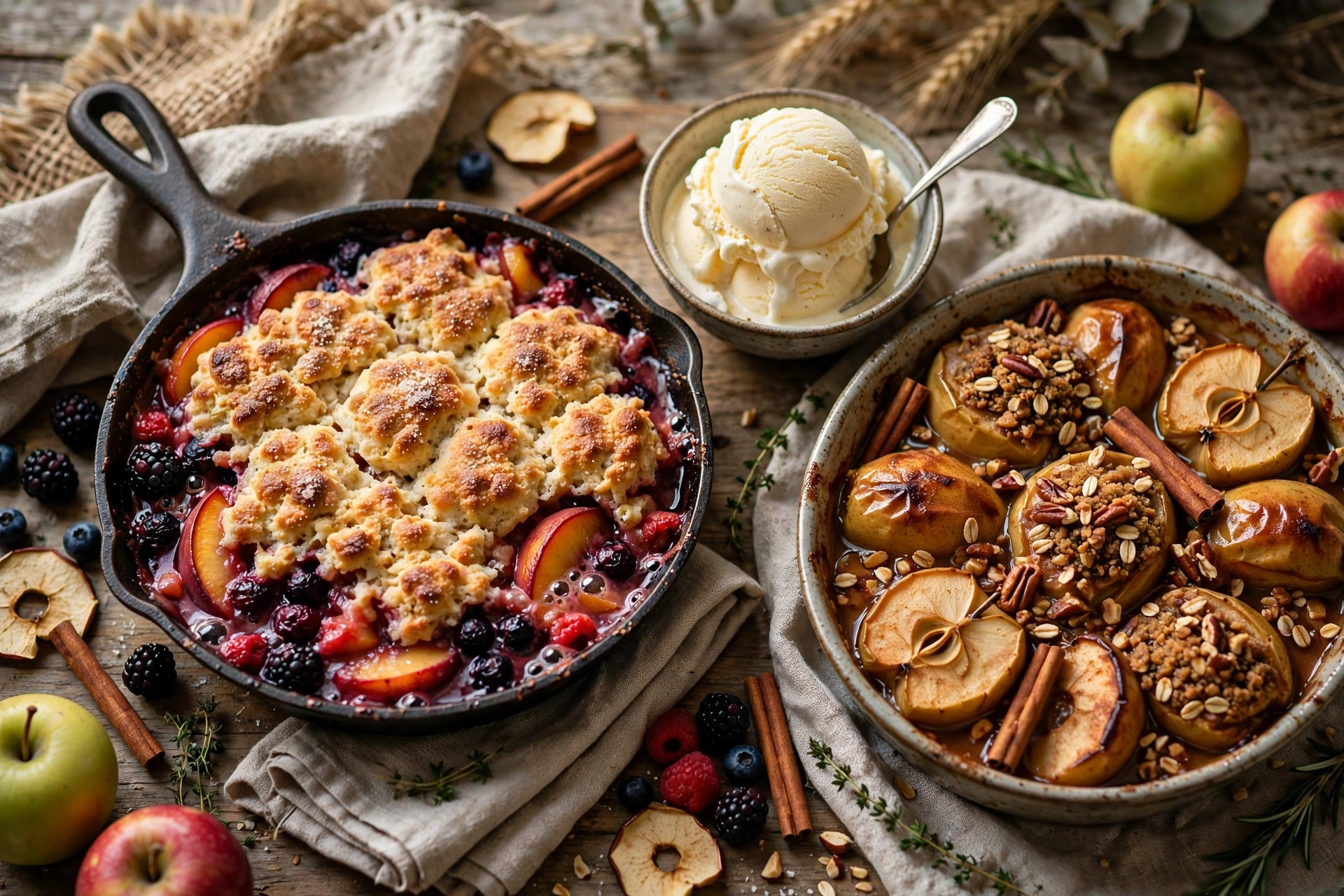
Seasonal desserts vary, and some are larger than others, so ask your server about portion size if you are unsure. A dessert that looks modest on the menu can still be generous on the plate. When in doubt, share first, and order a second portion only if you still want more.
How to Build a Lighter Plate
Start with protein, then add vegetables and fruit, then add one comfort item you truly enjoy. Grilled chicken, grilled fish, eggs, or a vegetable omelet make a solid base. Green beans, carrots, salad, broccoli, and fruit add volume and nutrients for relatively few calories. One biscuit, one fried side, or one sweet item, chosen with care, keeps the meal satisfying.
Ask for simple adjustments. Grilled instead of fried, dressing on the side, gravy on the side, and extra vegetables instead of a second fried side are all reasonable requests. Servers handle these requests every day, and a polite, clear order helps the kitchen get it right.
Plan the whole day, not just one plate. If dinner will be rich, keep lunch lighter. If breakfast was large, choose a salad or vegetable plate for lunch. This day level view is more useful than worrying about a single side, and it lets you enjoy country cooking without strict rules.
Frequently Asked Questions
How many calories are in a typical Cracker Barrel breakfast?
It depends on the plate. A light breakfast of eggs, toast, and fruit is often around 300 to 500 calories, a classic plate with meat and hash browns is often around 600 to 900 calories, and a large combo with pancakes can reach 900 to 1,200 calories or more. All figures are approximate.
What is the lowest calorie dinner option?
Grilled chicken or grilled fish with steamed vegetables and salad is usually among the lighter dinner choices, often around 500 to 750 calories. Fried plates, creamy sides, gravy, and extra bread raise the total noticeably, so choose grilled protein and lighter sides for a lower total.
Are desserts very high in calories?
Yes, desserts are often the highest calorie item on the table. Cobbler with ice cream may be around 600 to 900 calories, and cake or pie slices are often around 400 to 700 calories. Sharing a dessert is an easy way to enjoy it with fewer calories.
Do drinks really change the total much?
Yes. Water, unsweetened tea, and black coffee add almost no calories, while sweet tea, soda, juice, and flavored drinks can add 120 to 250 calories per serving, more with refills. Choosing water or unsweetened drinks is one of the simplest savings.
Is this guide affiliated with Cracker Barrel?
No. This is an independent guide, and it is not affiliated with, endorsed by, or sponsored by Cracker Barrel. For exact nutrition figures, check the restaurant’s current nutrition information, since recipes and portions change over time.
How can I check exact calories before I order?
Ask staff at your local restaurant, or check the restaurant’s official nutrition guide online before your visit. Tell your server about allergies or health needs when you order, and use the approximate ranges in this guide for general planning only.
Counting calories on a country menu is less about perfection and more about pattern. Choose grilled protein when you can, fill half the plate with vegetables or fruit, keep sauces and drinks in check, and share desserts when the meal is already rich. With those habits, you can enjoy breakfast, dinner, and dessert, and still leave feeling comfortable. For exact figures, always check the restaurant’s current nutrition information, since that is the only source that reflects the exact recipe served at your location as of November 2026.
Leave a Reply